In today’s competitive education system, every student is expected to perform well academically. However, not all children learn at the same pace. Some students require more time, attention, and a different approach to understand concepts effectively. These students are often referred to as slow learners. To support their academic growth, remedial classes for slow learner play a vital role in bridging the gap between their current performance and expected learning outcomes.
Understanding the Need for Remedial Education
Slow learners are not less intelligent; they simply process information differently. They may face difficulties in subjects like mathematics, reading, writing, or comprehension due to weak foundational knowledge or lack of proper guidance. Without timely intervention, these learning gaps can widen over time. This is where remedial classes for slow learner become essential, as they provide targeted support to help students improve gradually.
Why Remedial Classes Are Important
The importance of remedial classes for slow learner lies in their ability to provide personalized and focused learning. Unlike regular classrooms, where teachers must manage many students at once, remedial sessions offer individual attention. This helps teachers identify specific problem areas and address them effectively.
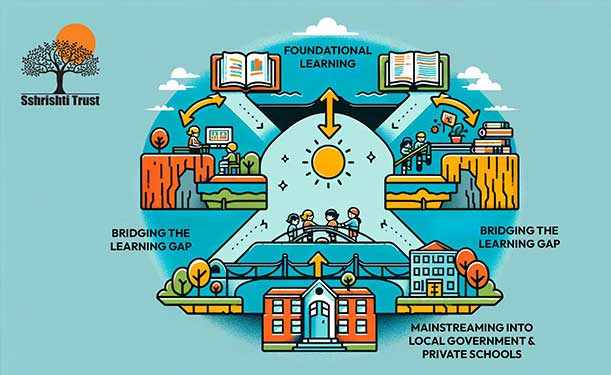
Another key benefit is the strengthening of basic concepts. Many slow learners struggle because they lack clarity in fundamental topics. Remedial classes for slow learner focus on building a strong academic foundation, which is necessary for understanding advanced subjects.
These classes also help in improving confidence. Students who consistently perform poorly may feel discouraged or anxious about studies. Through step-by-step learning and continuous encouragement, remedial classes for slow learner help students gain confidence and develop a positive attitude toward education.
Enhancing Academic Performance
One of the primary goals of remedial classes for slow learner is to improve academic performance. With regular practice, simplified teaching methods, and continuous revision, students begin to understand concepts more clearly. Over time, this leads to better results in exams and overall academic improvement.
Moreover, remedial education encourages active participation. Slow learners often hesitate to ask questions in regular classrooms due to fear of judgment. In a supportive remedial environment, they feel more comfortable expressing their doubts and engaging in learning activities.
Effective Teaching Strategies in Remedial Classes
The success of remedial classes for slow learner depends on the teaching strategies used. Teachers adopt various methods to make learning easier and more engaging:
Breaking complex topics into smaller, manageable parts
Using visual aids like charts, diagrams, and videos
Encouraging repetition and regular practice
Conducting interactive sessions such as quizzes and games
Providing real-life examples to explain concepts
These techniques ensure that students not only understand but also retain what they learn.
Role of Teachers in Remedial Education
Teachers play a crucial role in the effectiveness of remedial classes for slow learner. They must be patient, supportive, and adaptable. A good teacher understands that each student has unique learning needs and adjusts their teaching methods accordingly. Continuous assessment and feedback help in tracking progress and making necessary improvements.
Positive reinforcement is also important. Encouraging words and appreciation can significantly boost a student’s morale and motivate them to perform better.
Role of Parents in Supporting Learning
Parents are an important part of a child’s educational journey. Supporting remedial classes for slow learner at home can enhance their effectiveness. Parents should create a positive learning environment, ensure regular study routines, and avoid comparing their child with others. Recognizing and appreciating small achievements can build confidence and encourage consistent effort.
Long-Term Benefits of Remedial Classes
The impact of remedial classes for slow learner goes beyond academic improvement. These classes help students develop essential skills such as problem-solving, critical thinking, and self-discipline. They also promote independent learning and better time management.
In the long run, students become more confident and capable of handling academic challenges. This not only improves their school performance but also prepares them for future opportunities.
Challenges and Solutions
Despite their importance, remedial classes for slow learner face challenges such as limited resources, lack of trained teachers, and social stigma. Many students feel embarrassed about attending remedial sessions. To overcome this, schools and educators must promote awareness and create an inclusive environment where every learner feels valued.
Investing in teacher training and using technology-based learning tools can further enhance the effectiveness of remedial education.
Conclusion
In conclusion, remedial classes for slow learner are essential for ensuring that every student gets an equal opportunity to succeed. By focusing on individual needs, strengthening fundamentals, and building confidence, these classes help students overcome learning difficulties and achieve their full potential. Education should empower every child, and remedial classes are a significant step toward making learning inclusive, supportive, and effective for all.




Write a comment ...